
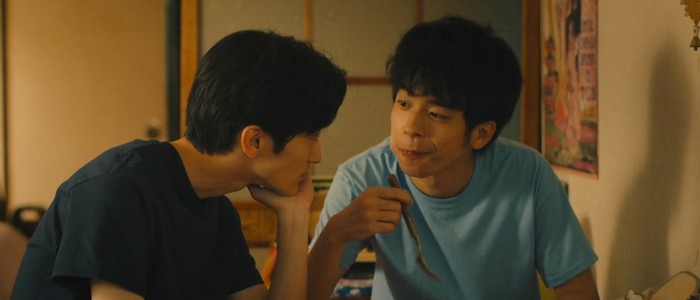
Let Me Hear It Barefoot is a Japanese movie about two friends who go on imaginary adventures. After the main character's grandmother is hospitalized, she wants him to travel the world on her behalf. He doesn't have the money to achieve her dreams. The protagonist and his friend pretend to visit various places, using their creativity to make these experiences seem realistic. As they grow closer, their relationship fills with seduction.
From the thoughtful themes to the coded metaphors, Let Me Hear It Barefoot is a fascinating movie. The story explores an ambiguous bromance in many enchanting scenes. The couple's highly unusual sexual tension will astonish you. While the film begins with a gentle, easygoing vibe, the plot becomes almost too melodramatic near the end. The romantic content is also unsatisfying from a BL perspective.
Let Me Hear It Barefoot Summary
Title:
裸足で鳴らしてみせろ
Movie Info:
Japan (2021)
Genre:
Romance
About:
Let Me Hear It Barefoot is a mature & interesting film.
Is Let Me Hear It Barefoot BL?
No, but there is much sexual tension.
Plot
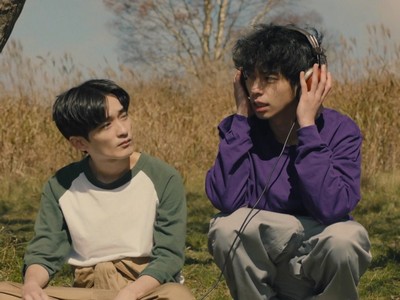
Naomi is an ordinary employee who works for his father's recycling company. He drives around in a pickup truck, collecting recyclable materials across various homes. It's a tedious job that doesn't excite Naomi. He also lives with his single father. Naomi pretends to be the dutiful son who obeys his family's command. However, he is secretly unfulfilled and wants to move away from home.
Naomi goes swimming at the public pool. Maki, one of the staff, initiates a conversation with him. He suggests Naomi try doing the backstroke. Later, Naomi is driving home in the middle of the night. He sees Maki and his grandmother waiting by the bus stop. Naomi kindly offers them a ride home. Maki's grandma, Midori, is blind. Despite her vision impairment, she is adventurous and likes wandering around town alone. Maki must often track her down to ensure she returns home safely.
One night, Naomi offers Maki a ride home from the pool. They are shocked to find Midori lying unconscious outside. Her health has worsened. Midori must remain hospitalized for the long term. She reveals to her grandson that her stories are a lie. Midori used to claim that she travelled extensively in her youth. However, the truth is that she never even left the country. She only relayed second-hand tales about other people's expeditions.
Due to her old age and health issues, Midori cannot fulfill her dreams of travelling the world. She offers Maki her savings and encourages him to achieve her aspirations. Despite Midori's good intentions, she doesn't have much money left to offer. Maki does not have the financial capability to visit different countries. However, he doesn't have the heart to break the news to his grandmother.
Maki comes up with a plan. He uses his vivid imagination and pretends to visit various destinations. For example, he steps on the sand in a stadium and pretends to walk across a desert. Maki uses audio recordings to create the illusion of his travel expeditions. He sends these clips to Midori, who genuinely believes Maki is travelling the world. To help him pull off these schemes, Naomi joins his friend on his imaginary adventures. Together, they turn everyday settings into extraordinary landscapes. Along the way, their ambiguous relationship fills with sexual tension.
Let Me Hear It Barefoot Trailer
Let Me Hear It Barefoot Cast
Characters
Naomi
Shion Sasaki (佐々木詩音)
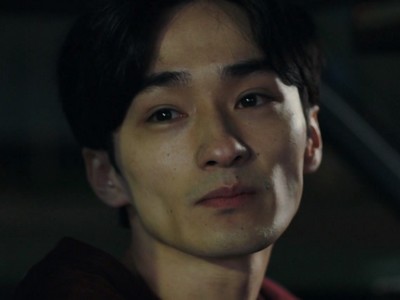
Naomi is an employee who works for his father's recycling company. They also live together. Although Naomi pretends to be an obedient son, he is secretly unfulfilled and wants to move away from home. Naomi enjoys swimming. He befriends Maki and joins his companion on imaginary adventures. Their exciting friendship takes him away from an otherwise mundane life.
Shion Sasaki

Shion Sasaki (佐々木詩音) is a Japanese actor. His first BL project is the 2021 movie, Let Me Hear It Barefoot.
Maki
Shuri Suwa (諏訪珠理)
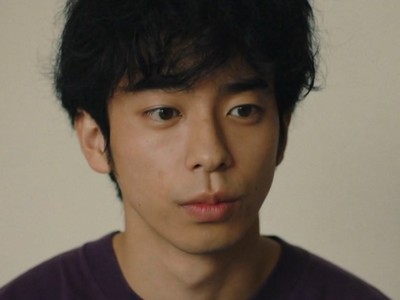
Maki is a staff at the public pool. He befriends Naomi, who is around the same age as him. Maki is close to his adopted grandmother, Midori. She is blind and recently hospitalized. Midori dreams of travelling the world and asks Maki to achieve this aspiration on her behalf. Limited by financial constraints, he pretends to go on imaginary adventures. Maki sends audio recordings to Midori, pretending to visit various destinations.
Shuri Suwa

Shuri Suwa (諏訪珠理) is a Japanese actor.. He is born on April 6, 1999. His first BL project is the 2021 movie, Let Me Hear It Barefoot.
Supporting Cast

Midori
Jun Fubuki (風吹ジュン)

Naomi's dad
Komoto Masahiro (甲本雅裕)

Sakuko
Ito Kaho (伊藤歌歩)
Let Me Hear It Barefoot Review
Review
Drama Review Score: 7.5
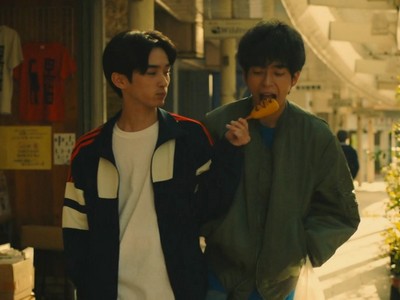
Let Me Hear It Barefoot takes two ordinary guys and sends them on extraordinary adventures without ever leaving their hometown. Once Naomi & Maki start hanging out, their imagination transforms the most mundane places into magical destinations. A sand pit becomes the Sahara Desert, while a swimming pool turns into the Blue Grotto. Look at these guys travelling around the world on a shoestring budget! I love how the movie makes these imaginary adventures feel so enchanting.
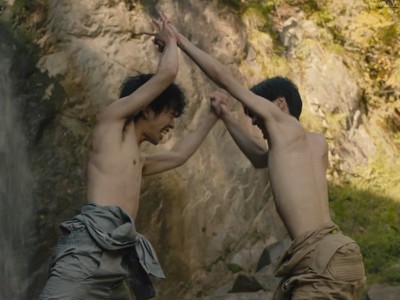
There's some unresolved sexual tension between Naomi & Maki, even if neither wants to admit it. The movie explores their unspoken desires in a fascinating way. Usually, BL characters express their attraction through sweet gestures. Not these guys! Instead of flirting, they wrestle with each other. One moment, someone is trapped in a headlock. The next moment, they're slamming their friend onto the ground. At times, the aggression almost seems erotic. Other times, their rough behaviour makes me uncomfortable. Either way, Let Me Hear It Barefoot has a very different idea of how two men should express their attraction.
Let Me Hear It Barefoot isn't the kind of BL movie that spells everything out for you. In fact, the story enjoys making us guess what the characters are thinking. Are Naomi and Maki in love? Do their physical encounters represent repressed sexual desires? The film never gives us straightforward answers. Instead, it uses clever symbolism to hint at the characters' inner feelings. I appreciate how the storytelling encourages viewers to look beyond what's happening on the surface. Wait, was that supposed to be a metaphor? Did I miss the hidden meaning!?
I adore the movie's atmosphere. It has a cozy, understated aesthetic that draws you in. The music also complements the dreamy visuals beautifully. Plus, the two leads have a great rapport, so I believe in their growing friendship. As the story becomes more dramatic, the actors show off their emotional range. Some performances are a little theatrical, but I admire how much intensity they bring to the difficult scenes. I'm particularly impressed by Naomi's actor (Shion Sasaki). He has such expressive eyes! A a single glance reveals more about his character than a whole conversation.
For the first hour, Let Me Hear It Barefoot had me enchanted. However, the movie becomes too melodramatic in its second half. The characters are overemotional. Their relationship gets messier with every scene. Some events unfold so abruptly that I can't understand everyone's motivations. I wish the filmmaker had spent more time exploring these conflicts instead of rushing through important developments. Also, can Naomi and Maki stop fighting!? There's only so much wrestling I can watch before the novelty wears off. Can we try a different way to communicate?
Let Me Hear It Barefoot contains more agony than affection. Don't watch this expecting two guys to exchange sweet kisses or whisper loving confessions. You'll be sorely disappointed! Naomi and Maki spend most of the story dancing around their attraction without defining their relationship. As a BL fan, I find their relationship unsatisfying. However, I can separate my disappointment with the romance from my admiration for the filmmaking. Let Me Hear It Barefoot has a fascinating artistic vision. It may not be my ideal love story, but I still consider it a captivating piece of cinema.
Summary
Fascinating story
Let Me Hear It Barefoot begins as a gentle story depicting the cozy camaraderie between two friends. They go on enchanting adventures. The film conveys its thematic ideas metaphorically.
Repressed romance
The movie depicts a sad, repressed love story of two friends yearning for each other. Don't expect traditionally romantic scenes. Their suggestive playfights may either arouse or disturb you.
Vivid acting
The lead actors give splendid performances. They appear relaxed and easygoing with each other. Furthermore, they display a dramatic flair and portray emotional moments intensely.
Sad ending
Let Me Hear It Barefoot has a sad ending. As Naomi's life spirals out of control, his relationship with Maki collapses. They meet in the final scene, but their reunion fills with melancholy.
Atmospheric artistry
The movie immerses viewers in a sensory experience, from cozy visuals to soothing soundtracks. Each scene oozes ambiance. Also, the conceptual film expresses its themes through symbolic imagery.
75%
Let Me Hear It Barefoot is a fascinating movie about inner desires. The film uses metaphors and subtext to allude to its themes. Yet, the ambiguous relationship scenes don't create an appealing love story.
Let Me Hear It Barefoot Movie Explained
Analysis
Illusion
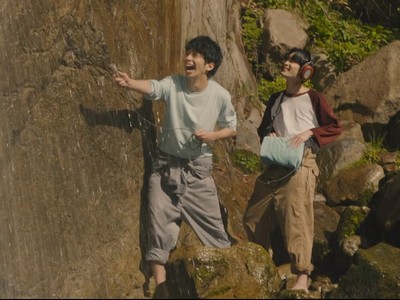
Let Me Hear It Barefoot is a story of illusions. The main characters pretend to go on epic globetrotting adventures. In actuality, they are cooped up inside a stuffy room and play make-believe with each other. Maki may describe his marvellous experiences with vivid enthusiasm, but nothing is real. He deceives his hospitalized grandmother to make her feel better, fulfilling the dream that she can never achieve. Midori listens keenly to his fabricated tales and believes fiction is reality.
Beyond lying about their locations, the protagonists disguise their feelings for each other. This friendship is also an illusion. As they spend time together, Maki and Naomi develop a romantic attraction. Yet, they won't admit their love. These two buddies have intense playfights, which get so physical that their movements resemble passionate lovemaking. Although their body language is overpouring with sexual desire, Maki and Naomi still pretend to be platonic friends. Our repressed protagonists hide behind a veil and don't reveal the truth.
The title, "Let Me Hear It Barefoot", is a line spoken midway through the film. While creating the sound effect of walking on the sandy beach, Maki asks Naomi to take off his shoes. He thinks doing so will produce a more realistic noise. Although this line seems innocuous, it refers to the overarching themes of the story. The characters constantly explore between illusion and authenticity. What is real? What is fake? How far can Maki and Naomi keep up the pretenses before their friendship becomes a romance? The movie's title encapsulates this ambiguity.
Imagination
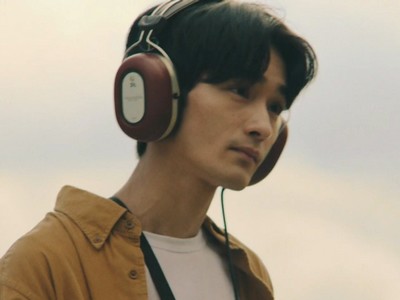
The imaginary adventures serve another purpose. They provide a momentary escape, allowing the characters to forget their real-life troubles. Maki has created a utopia in his blissful fantasy world, which doesn't contain financial stress, family tensions, or health issues. When Midori listens to the audio recordings, she escapes the grim reality of her hospital room. Instead of being confined to a bed, she lives vicariously through her grandson's enthusiasm.
Although he isn't the target audience, Naomi also uses these imaginary adventures to escape reality. Before meeting Maki, Naomi was burned out, depressed, and stuck in a rut. He hated his mundane job and domineering father. Fortunately, Maki brings a sense of whimsical wonder to Naomi's tedious routine. These fantasies are more enjoyable than everyday life. Over time, his friend has also inspired Naomi to dream. He wants to quit his job, move away from home, travel the world, and broaden his horizons. Naomi feels hopeful and invigorated about his future for the first time ever.
Let Me Hear It Barefoot highlights the power of imagination. Despite being limited by health or financial problems, the characters can still find solace in the unlikeliest places. Each fantasy adventure ignites a sense of possibility. It reminds Maki, Naomi, and Midori that the world isn't as bleak as they perceive. They can discover extraordinary joy amid their ordinary surroundings. Even a tiny swimming pool can become an endless adventure if you have the willpower. The happiest moments in the film are when the protagonists approach life creatively and optimistically.
Reality
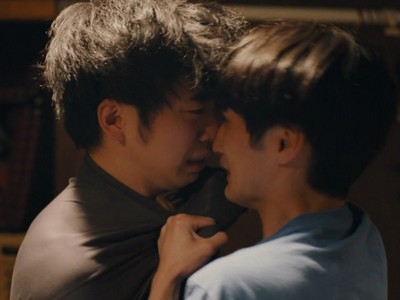
Unfortunately, the characters cannot immerse themselves in their imaginations forever. Sooner or later, the story time is over. They must return to reality, where hardships and misery await them. Midori is in the middle of listening to an audio recording when her physical health deteriorates. These make-believe fantasies can't save her life. She dies under pitiful circumstances, unable to achieve her dreams or reunite with her old lover.
Maki is devastated by Midori's death. He blames himself for being absent in her final moments. He was too busy going on fictional adventures instead of caring for his ill grandmother. Riddled by guilt and grief, Maki doesn't dare to fantasize anymore. Likewise, Naomi loses his dreams of travelling. His selfish father spent Naomi's savings, leaving him with no money to escape his tedious life. He takes drastic measures and robs a house. His actions are driven by desperation. Naomi panics because he fears dying like Midori, with none of his aspirations fulfilled.
Maki and Naomi also confront the reality of their ambiguous relationship. Despite the mutual attraction, both closeted men are unwilling to pursue their feelings. Our protagonists part ways without committing to each other. In the end, their time together is just another unrealistic fantasy. Their nonexistent romance is as delusional as the phony tales in the audio recordings. They unleash their pent-up sexual tension during playfights, maintaining an illusion of physical intimacy. Yet, these two friends aren't mentally ready to become lovers for real.
Perception
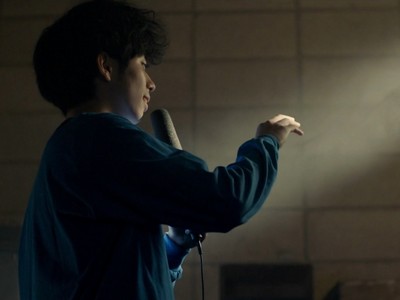
Let Me Hear It Barefoot emphasizes three human senses: sight, hearing, and touch. The story suggests that these perceived feelings don't always correlate accurately. What you feel with your eyes, ears, or hands may not reflect the actual situation. For instance, Midori believes her grandson travels the world due to the audio clips, unaware that Maki holds the microphone beside various props. Her version of reality is different from what is actually happening.
Antelope Canyon reiterates the idea that your senses may deceive you. The canyon is famous for producing a beautiful beam of sunlight. Maki replicates the experience by standing before a window as the sun shines on his outstretched hand. He sees the light (sight), describes it (hearing), and tries to grasp onto the rays (touch). His senses indicate this illusion seems genuine, but it's not. Later, Midori reveals the location's poignant significance. Her ex broke his promise of taking her there. Love, like our senses, may skew our perception and mislead us.
Antelope Canyon represents the concept of unattainable love. As the sunlight shines on Maki's hand, he tries to touch the rays. This futile act symbolizes his desire to hold onto a love that is out of grasp. His relationship with Naomi may look, sound, and feel like a romance, yet his friend is unobtainable. Just because you sense a connection with your partner, that doesn't always correlate with a future together. Sadly, the movie ends as the couple's feelings go unfulfilled. Like the glimpse of sunlight, their love is an elusive phenomenon that slips through their fingers.
Let Me Hear It Barefoot Ending Explained
Ending
Sad ending
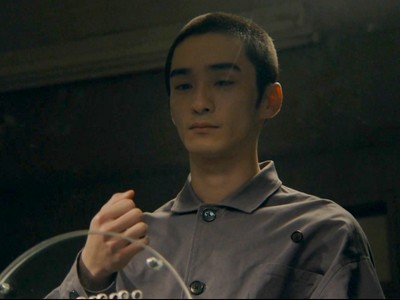
Let Me Hear It Barefoot has a sad ending where the main characters go their separate ways. After Midori's death, they stop their imaginary adventures. Consumed by trauma, their relationship rapidly deteriorates. Naomi is arrested for robbing a house because he needs money to travel overseas. When Maki visits prison, the former friends agree to stop seeing each other. Upon his release, Naomi starts a relationship with a woman. He doesn't stay in touch with Maki.
There's a sad irony to Naomi's imprisonment. He dreamed of breaking free from his old routine to travel abroad. Instead, he ends up confined in jail, leading a monotonous life. Naomi's burglary may seem scandalous, but he did it out of distress. Maki has gotten so swept away in the imaginary adventures. He convinces himself that travelling is his only source of happiness. If Naomi doesn't leave home now, he resents the thought of being stuck with his awful father for one second longer. Naomi blurs fantasy with reality, causing him to become irrational and break the law.
Naomi and Maki cease communication. They don't even remain friends. You may have noticed their interactions become disturbing in the film's second half. They leave bruises during their increasingly violent playfights. These injuries are the physical symptoms of an unhealthy relationship. By repressing their love, Naomi and Maki feel tormented when they spend time together under the facade of friendship. They have become toxic to each other, bringing out their worst emotions. Before they spiral further, they make the painful choice of calling it quits.
Ending explained
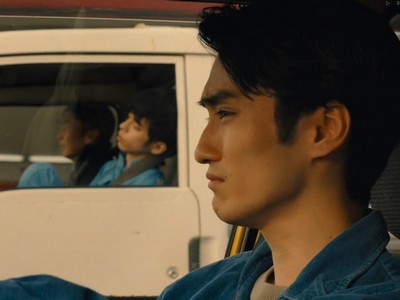
The final scene shows Maki and Naomi's emotional reunion. They meet in a chance encounter while driving on the road. Naomi looks over and is shocked to see Maki in the adjacent vehicle. Despite making eye contact, they don't get reacquainted. Naomi broadcasts their old audio recordings loudly, triggering Naomi's tears. Nonetheless, the two drivers separate and go on different paths. The movie ends heartbreakingly with no possibility of reconciliation.
Early in the film, Naomi says an intriguing line, "I only trust what I can touch." The statement indicates his pragmatic nature. Naomi was not a dreamer until he met Maki. He reverts to his old cautious thinking after they stop being friends. Naomi starts dating a woman because it's practical in our heteronormative society. Having an opposite-sex partner helps Naomi, an ex-convict, fit in better. Although on friendly terms, he doesn't love his girlfriend with the same intensity as Maki. This romance is an illusion. Naomi represses his genuine feelings to live dishonestly with Sakuko.
When Naomi meets his former friend, Maki is barefoot. An earlier scene suggests that not wearing shoes produces an authentic experience. By a similar logic, this metaphor indicates that Maki wants to live honestly. While Naomi pretends to be happy with a new lover, the barefoot Maki no longer hides behind a facade. He broadcasts one of their old conversations, as if to say I can admit my love for you. While Maki bravely faces reality, Naomi still wants to hide his feelings. As they drive away on separate paths, the film implies the protagonists approach their futures differently.
Let Me Hear It Barefoot Information
- Start Date 2021
- Movie Length 2 hours and 10 minutes
Also known as Hadashi de Narashite Misero, Let Me Hear It Barefoot is a Japanese movie that released in 2021. It is a long film, which you can complete in around 2 hours and 10 minutes. Riho Kudo is the movie director.
Links
- Instagram Let Me Hear It Barefoot Instagram
- MyDramaList Let Me Hear It Barefoot MyDramaList
- Twitter Let Me Hear It Barefoot Twitter
- Website Let Me Hear It Barefoot website
Director
Riho Kudo (工藤梨穂) is a Japanese director. Her first BL project is the 2021 movie, Let Me Hear It Barefoot.
Thanks for reviewing this- I never would have heard of it- and right now it is hard to find with subtitles.
Worth watching- beautiful and creative ways of creating "travel escapes" while filming on a low budget.
Naturalistic acting work- particularly I was impressed by Shuri Suwa as Maki- he felt unique and real.
Like you, I also felt the script went sideways the last third and some things didn't add up- several important storylines just kind of disappeared.
I really like your review — it touched upon all the elements that make this movie special! I have a slightly different interpretation of the ending. The ending is almost like a replay of the beginning of the movie. At the start, Naomi had flirted with Sakuko before meeting Maki. The ending is replaying the events of the beginning in the same order. Yes, at the end, two cars drove down different roads. However, when the movie cuts to black, the line is "Damn. Sorry, we need to start over."
Since Maki's van has already left, I interpret this as this replaying in Naomi's head — it's him realizing that he needs to start over with Maki. I think most people read it as a bad ending, but it's not as bleak as it seems. At worst, it's an open ending.